Leprosy and Lymphatic Filariasis (LF) are chronic Neglected Tropical Diseases (NTDs) that cause disability, stigma, and socio-economic hardship. While platforms such as NIKUSHT 2.0 support disease surveillance, they do not adequately monitor treatment adherence or disability management services, creating a critical gap in the continuum of care for persons affected by leprosy and LF.
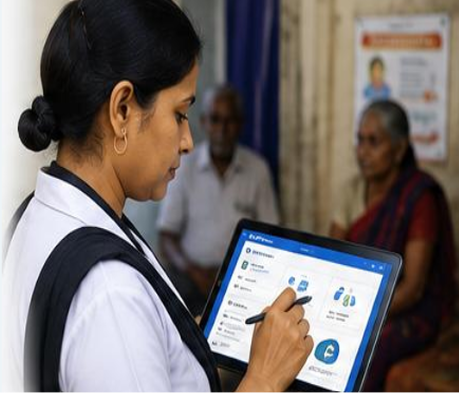
To address this need, LEPRA Society, in partnership with Social Bytes, developed the Digital Adherence Tracking System (DATS)—the first NGO-led innovation of its kind in India. DATS is a mobile application designed to strengthen real-time monitoring of treatment adherence for persons affected by leprosy and LF while documenting the delivery of essential DPMR and MMDP services. These include ulcer care, self-care training, provision of customized footwear, physiotherapy, lymphedema management, assistive devices, and patient education.
The primary objective of DATS is to create a scalable and user-centric mobile application that supports staff to enable comprehensive monitoring of treatment adherence and DPMR/MMDP services for persons affected by leprosy and LF.
DATS is currently being implemented across nine operational states where the burden of leprosy and LF is significantly moderate to high. The platform has a range of features, including:
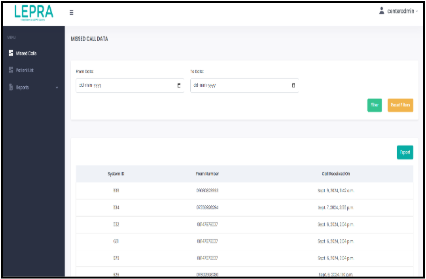
The system provides digital logs specifically for Multi-Drug Therapy (MDT) administration in leprosy, ensuring that patients receive timely treatments.
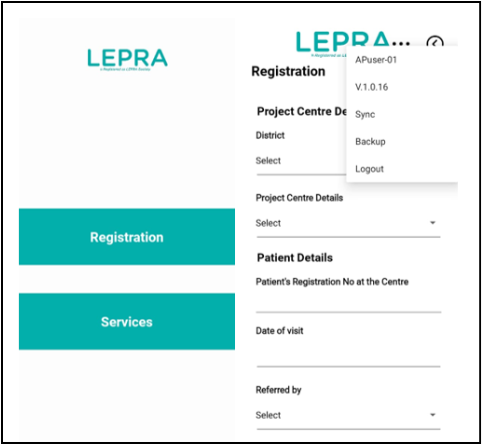
The application is optimized for Android devices, offering offline capabilities to guarantee usability in low-connectivity areas, complemented by a synchronization option for seamless updates.
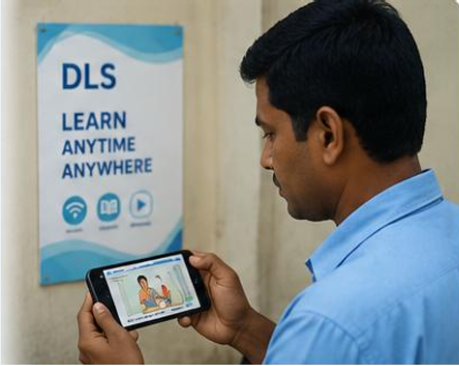
The National Leprosy Eradication Programme (NLEP) introduced NIKUSHT 2.0 to strengthen digital surveillance and patient management for leprosy. However, limited adoption and poor data entry, particularly in Telangana, affected disease surveillance and programme monitoring. To address this gap, LEPRA Society, in partnership with Hope Rises International (HRI) and the Telangana State NLEP, launched the Data Strengthening Project in 2022 and developed the Digital Learning System (DLS) to enhance the digital capacity of General Health Staff through structured, mobile-based training.
A cornerstone of this initiative is the Digital Learning System (DLS) – a mobile-based learning application designed to provide continuous, role-based training to healthcare workers across the state. The DLS Mobile App focuses on three key learning modules:
The evolving digital landscape in public health and the increasing demand for rapid skill-building mechanisms among field staff necessitated the development of a scalable, user-friendly, and accessible platform. DLS addresses this need by providing a comprehensive learning environment tailored to the roles and responsibilities of various healthcare personnel engaged in leprosy eradication.
The primary objective of the Digital Learning System (DLS) is to design, develop, and deploy a scalable, accessible, and user-friendly digital platform that delivers structured, role-based training to public health workers through a mobile application.
The DLS is centred around three core learning modules:
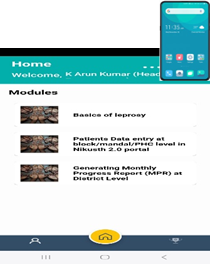
Basics of Leprosy – This module provides foundational knowledge on leprosy including its epidemiology, symptoms, diagnosis, and treatment protocols. It emphasizes early detection, contact tracing, and stigma reduction to empower healthcare workers with the skills required for effective community-based interventions.
Data Entry in NIKUSHT 2.0 – This module trains users on the National Leprosy Programme’s online web-based data entry system. It focuses on step-by-step tutorials on patient registration, treatment tracking, and maintaining accurate and timely digital records.
Monthly Progress Reports (MPR) – This module educates users on how to accurately upload and submit MPRs, which are essential for monitoring program performance and reporting outcomes to national and state-level authorities.
The DLS Mobile App is specifically designed to serve a wide range of health professionals involved in leprosy-related services, including:
These target groups play a pivotal role in case detection, data management, patient follow-up, and program reporting, and thus require consistent capacity-building support.
LEPRA plans to further enhance the LEPRA–IIHMR AI-Powered Foot Measurement App through WhatsApp integration, automated ulcer detection and grading, and advanced 3D modelling technologies, making quality foot care and disability prevention services more accessible to communities.

Transforming lives through healthcare, dignity, inclusion, and hope together.
Your support helps transform lives.
WhatsApp us
Be the first to know about our moving stories, new projects, and opportunities. Join our community of changemakers today!